Icons and Iconoclasts
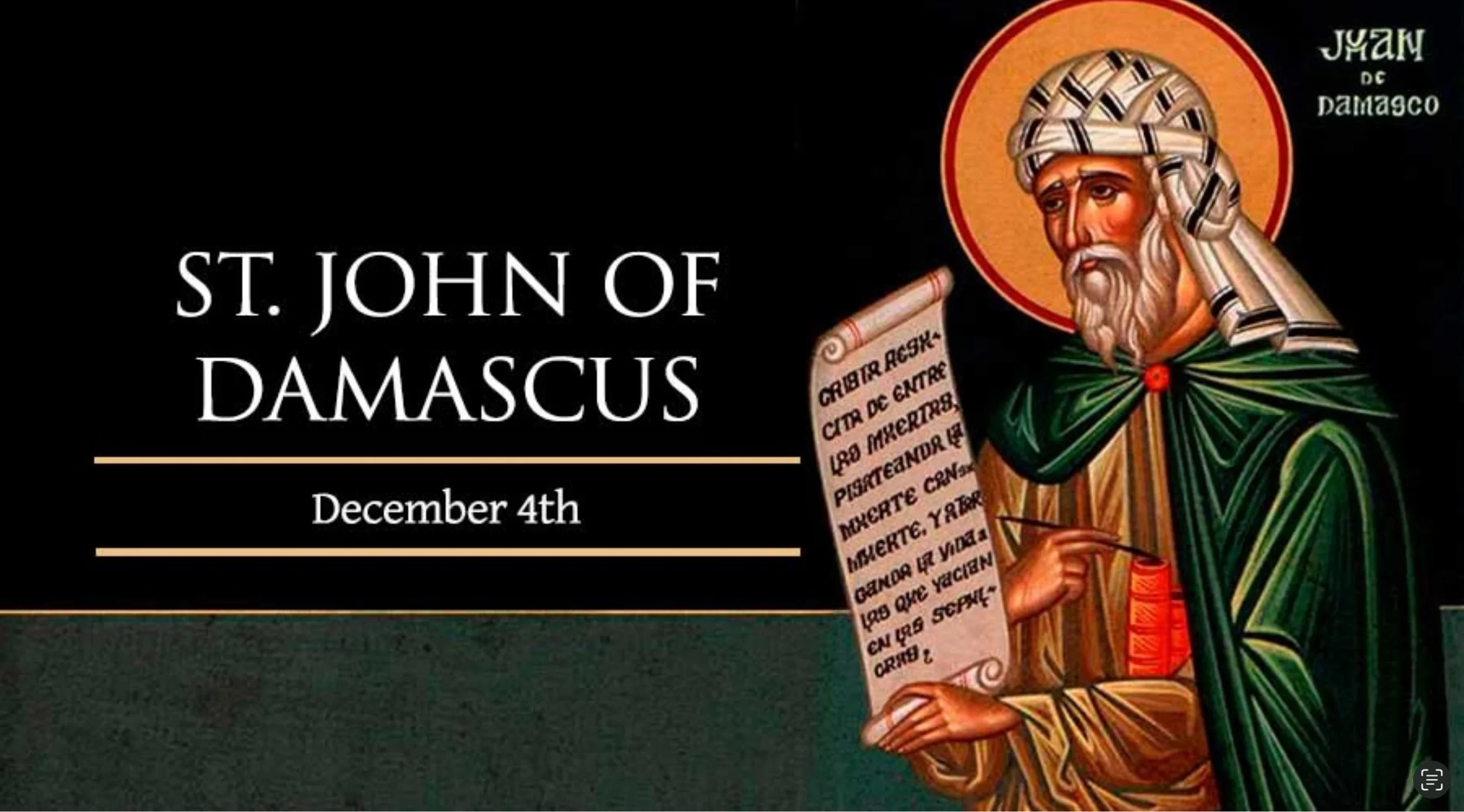
In secular culture, an icon, according to Webster’s Dictionary, is “an object of uncritical devotion”, for example, an “icon of industry” or an “icon of the theatre”. An iconoclast, according to Webster’s Dictionary, is one who “attacks established beliefs or institutions”. We can certainly observe iconoclastic behavior in today’s world as in past history.
In the religious world, an icon is an image which opens the heart to the divine presence. The Orthodox Church venerates icons in their worship practices. Many in the Western Church have discovered the comfort, peace, and power of praying through icons for a deeper connection with God.
A liturgy for the blessing of icons invites hope and healing:
May all who call upon you in true faith and ask of your compassion with a pure heart, receive health and healing.
May every word or deed done in the name of this icon shine your Gospel message of hope, redemption, and love.
Why am I musing on icons and iconoclasts?
On December 4, our Church remembers John of Damascus, a rather obscure 8th century priest in the Holy Lands. We have John of Damascus to thank for his defense of Holy Images in the face of the Byzantine emperor’s edict against Holy Images which forbade the veneration of sacred images and ordered the destruction of these images. This was known as the iconoclastic controversy espoused by a theology/heresy that Christ had only a divine nature and therefore any material representation was evil.
In his “Apologies (Treatises) against the Iconoclasts and in Defense of the Holy Images”, John argued that painted or wooden images were not false idols, but were saints or the Lord portrayed as human. These objects were venerated, not worshiped. Only God can be worshiped. John maintained that the heresies rejected the very Incarnation of Jesus.
The Seventh Ecumenical Council, in 787, decreed that crosses, icons, the book of the Gospels, and other sacred objects were to receive reverence or veneration, expressed by salutations, incense, and lights, because the honor paid to them passed on to that which they represented. (Lesser Feasts and Fasts).
John’s voice mattered in this era of Church controversy. John’s voice encouraged the Church to take a clear stand. We revere the cross today because of the courage of our Church leaders in the first millennia. Grounded in our faith, where can our voice matter today?
Let us pray the collect for John of Damascus:
Confirm our minds, O Lord, in the mysteries of the true faith, set forth with power by your servant John of Damascus; that we, with him confessing Jesus to be true God and true Man, and singing the praises of the risen Lord, may by the power of the resurrection, attain to eternal joy; through Jesus Christ our Lord, who lives and reigns with you and the Holy Spirit, one God, now and forever. Amen.
Advent Blessings, Judy Q +